

Yoga is thriving in New York City.
Neighborhoods like Manhattan, Brooklyn, and Queens host countless studios, wellness centers, and boutique fitness spaces.
As a result, certified instructors are in high demand.
While New York does not require a state-issued license for yoga, studios expect instructors to have formal training, supervised teaching hours, and continuing education.
Using tools like vibefam makes studio operations and scheduling smoother.
This lets instructors focus on teaching, rather than administrative tasks.
Here’s a step-by-step guide to launching your yoga career in NYC.
[caption id="attachment_14645" align="alignnone" width="5040"]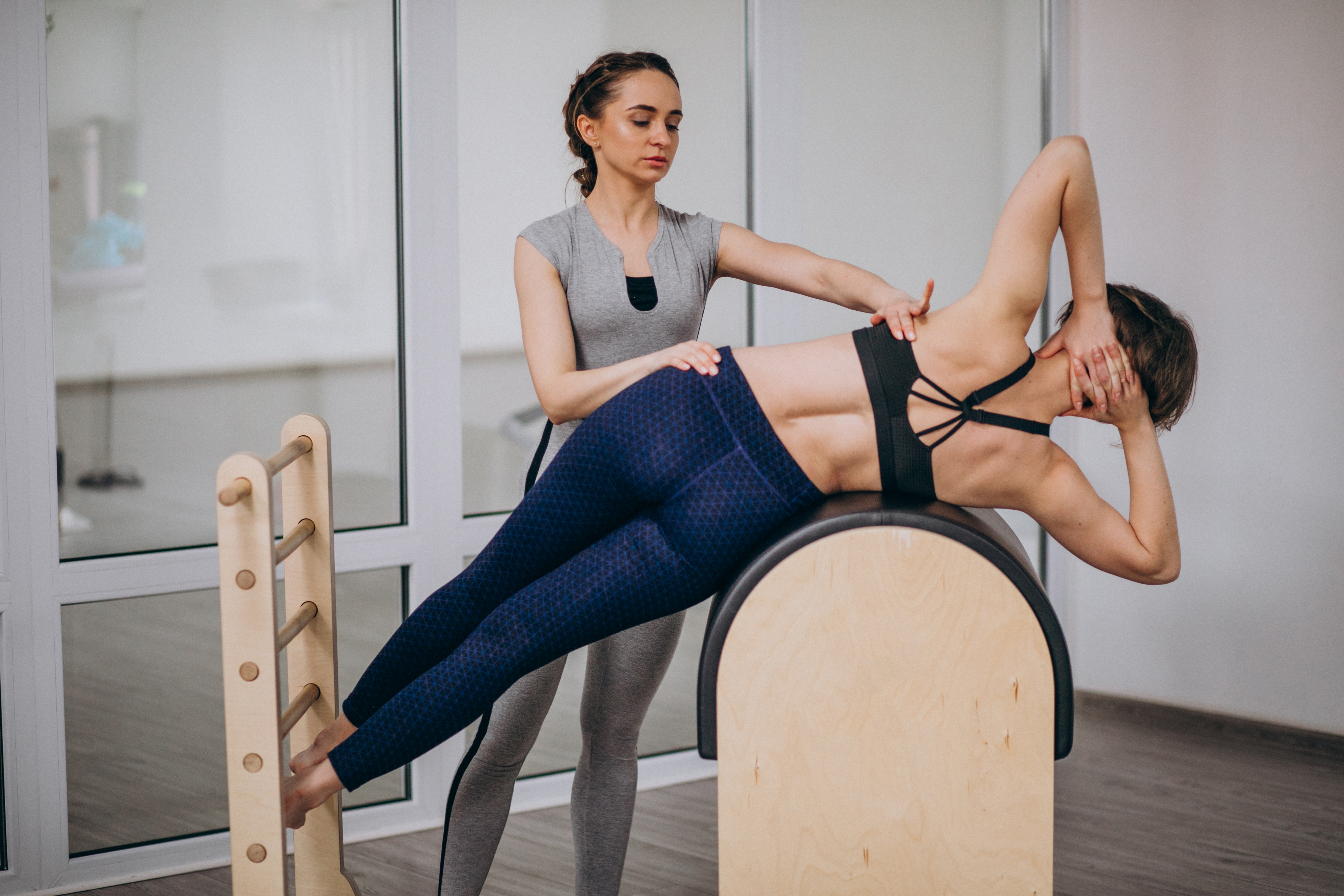 Woman with trainer practising yoga[/caption]
Woman with trainer practising yoga[/caption]
What Does a Yoga Instructor Do?
A yoga instructor guides students through poses, breathwork, and mindfulness practices. Their role is to help clients build strength, flexibility, and mental focus. Responsibilities include:- Leading group classes or private sessions
- Assessing client mobility and limitations
- Cueing poses and breathing techniques
- Modifying practices for injuries or special needs
- Boutique studios or fitness centers
- Corporate wellness programs
- Workshops, retreats, or online classes
- Private instruction
Yoga Instructor Requirements in New York City
New York State does not issue a yoga teaching license. However, most studios follow professional standards. Requirements generally include:- Being at least 18 years old
- Holding a high school diploma or equivalent
- Completing a registered yoga teacher training program (200-hour minimum)
- Logging teaching practice hours
- Passing program assessments
- Maintaining continuing education
Step-by-Step: How to Become a Yoga Instructor in NYC
1. Decide on Your Yoga Focus
First, choose the style you want to teach:- Hatha, Vinyasa, or Flow styles
- Specialty areas such as Yin, Restorative, or Prenatal
- Comprehensive training covering multiple styles
2. Enroll in a Recognized Training Program
Next, select a program accredited by Yoga Alliance or another reputable organization. Look for programs that:- Teach anatomy, alignment, and movement principles
- Include supervised teaching hours
- Provide mentorship and feedback
- Offer in-person, online, or hybrid learning formats
3. Complete Required Training Hours
Your program will typically include:- Yoga poses, sequences, and flow
- Breathwork, meditation, and mindfulness techniques
- Safety, adjustments, and modifications
4. Gain Teaching Experience
After completing training, gain real-world experience. Lead classes under supervision and seek constructive feedback. These practice hours help you:- Build confidence
- Improve cueing and class management skills
- Understand diverse client needs
5. Pass Program Assessments
Most programs require:- Written exams covering anatomy, philosophy, and teaching methodology
- Practical demonstrations of teaching technique and class flow
- Evaluation of communication, alignment, and safety
Cost to Become a Yoga Instructor in NYC
Costs vary depending on the program and location:- Training tuition: $2,500–$6,500
- Materials and manuals: $100–$300
- CPR/AED certification: $50–$150
- Continuing education: $100–$500 annually
Legal, Insurance, and Business Considerations
Before teaching, consider:- Professional liability insurance
- Employee vs independent contractor status
- Business registration if teaching privately
- Client waivers to reduce legal risk
Yoga Instructor Salary and Career Outlook in NYC
Salaries vary based on experience, studio, and class type. Factors include:- Private sessions vs group classes
- Boutique studios vs fitness centers
- Experience, reputation, and specialization